Buy mircare.eu ?
We are moving the project
mircare.eu .
Are you interested in purchasing the domain
mircare.eu ?
domain@kv-gmbh.de · 0541-91531010
Buy mircare.eu ?
What is a self-diagnosis?
A self-diagnosis is when an individual identifies and labels their own medical condition or illness without consulting a healthcare professional. This can be done through personal research, online symptom checkers, or comparing one's symptoms to those of known medical conditions. However, self-diagnosis can be inaccurate and potentially dangerous, as it may lead to incorrect treatment or delay in seeking proper medical care. It is always best to consult a healthcare professional for an accurate diagnosis and appropriate treatment. **
How can one conduct a self-diagnosis of mental illnesses?
One can conduct a self-diagnosis of mental illnesses by first educating themselves about the symptoms and criteria for different mental health disorders. It is important to be aware of the common signs and symptoms associated with various mental illnesses. Keeping a journal of one's thoughts, feelings, and behaviors can also provide insight into potential mental health concerns. However, it is important to note that self-diagnosis should not replace a professional evaluation by a mental health professional. Seeking the help of a qualified mental health professional is crucial for an accurate diagnosis and appropriate treatment. **


Similar search terms for Self-diagnosis
Top-Angebote
Products related to Self-diagnosis:
-
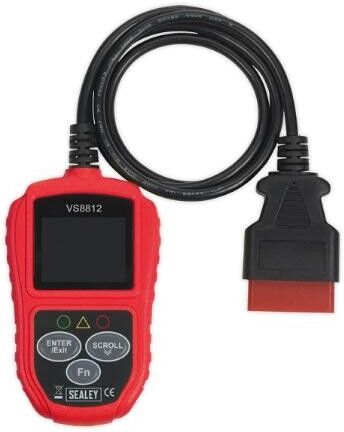
SEALEY VS8812 Self-diagnosis equipmentConnector type: EOBD ; Parameter: Live Data; Housing Colour: red; Supplementary Article / Supplementary Info Info 2: with OBD cable; Length [mm]: 124; Width [mm]: 72; Height: 18; Gauge: with TFT display; Operating temperature from [°C]: 0; Operating temperature to [°C]: +60; Test standard: SAE; Certificate: SAE J1979 2007; Construction Year from: 2001 Petrol, 2004 Diesel87,99 £*Shipping: 8,45 £Secure redirect to the provider



-
Who has experience with iris diagnosis or tongue diagnosis?
I have experience with both iris diagnosis and tongue diagnosis. As a practitioner of traditional Chinese medicine, I have been trained to analyze the iris and tongue to assess a person's overall health and identify potential imbalances in the body. Through careful observation and analysis, I can provide insights into a person's constitution, organ health, and potential areas of concern. This information can then be used to inform treatment plans and promote overall wellness. **
-
Who makes the diagnosis?
The diagnosis is typically made by a healthcare professional, such as a doctor or a specialist, who has the necessary training and expertise to evaluate the symptoms, perform tests, and interpret the results. They will consider the patient's medical history, conduct a physical examination, and may order additional tests or imaging studies to confirm the diagnosis. In some cases, a team of healthcare professionals may be involved in making the diagnosis, especially for complex or rare conditions. **
-
Which important W-questions do you need to ask yourself when self-medicating with your own diagnosis?
When self-medicating with your own diagnosis, it is important to ask yourself the following W-questions: 1. What: What symptoms am I experiencing and what do I think is the cause of these symptoms? It is important to accurately identify the symptoms and potential underlying conditions before self-medicating. 2. Why: Why do I think self-medicating is necessary? It is important to understand the reasons behind self-medicating and consider if seeking professional medical advice is a better option. 3. When: When did the symptoms start and how long have they been present? Understanding the timeline of symptoms can help in determining the urgency of seeking medical attention. 4. Who: Who can I consult for advice or guidance? It is important to consider reaching out to a healthcare professional for a proper diagnosis and treatment plan. By asking these questions, you can make a more informed decision about self-medicating and potentially avoid any negative consequences. **
-
Does Windows support self-repair?
Yes, Windows does support self-repair through its built-in troubleshooting tools and features. Windows has a built-in tool called Windows Update Troubleshooter that can automatically detect and fix issues related to Windows updates. Additionally, Windows has a System File Checker tool that can scan and repair corrupted system files. These self-repair features help users troubleshoot and resolve common issues without the need for external assistance. **


Do self-made wellness products sell well at markets?
Self-made wellness products can sell well at markets, as they often appeal to consumers looking for natural and handmade alternatives to commercial products. Items such as homemade soaps, essential oil blends, and herbal remedies can attract customers seeking unique and personalized wellness solutions. However, success at markets can depend on factors such as product quality, branding, and effective marketing to stand out among other vendors. Additionally, understanding the target market and offering products that meet their specific needs and preferences can also contribute to sales success. **
What exactly is self-care?
Self-care is the practice of taking deliberate actions to maintain and improve one's physical, mental, and emotional well-being. It involves making time for activities that promote relaxation, stress reduction, and overall health, such as exercise, healthy eating, getting enough sleep, and engaging in activities that bring joy and fulfillment. Self-care also includes setting boundaries, saying no when necessary, and seeking support from others when needed. Ultimately, self-care is about prioritizing one's own needs and making choices that contribute to a balanced and fulfilling life. **
Top-Angebote
Products related to Self-diagnosis:
-
AMiO 04733 Self-diagnosis equipmentSupplementary Article / Supplementary Info Info 2: with OBD connector; Supplementary Info: OBD II; Operating system: Android, iOS, Windows; Certificate: ISO 9141-2, ISO 14230-4, ISO 15765-4 CAN , ISO 15765-4 CAN; Colour: black/red5,59 £*Shipping: 8,45 £Secure redirect to the provider
-
WEBASTO 1320920A Self-diagnosis equipmentOperating System: Windows; Manufacturer Restriction: AirTop 2000/S/ST/STC, Air Top 3500/5500/ST, AirTop EVO 3900/5500, Air Top Evo 40/55, HL 90, Thermo Top, Thermo Top C/E/P/Z, Thermo Top Evo, Thermo Top 50 Eco, Thermo 90/S/ST/Pro, Thermo Top Pro , 120/150, Thermo, S230/S300/S350/S400, Thermo Plus , 230/300/350, GBW 300667,99 £*Shipping: 1,99 £Secure redirect to the provider
-
SEALEY VS8812 Self-diagnosis equipmentConnector type: EOBD ; Parameter: Live Data; Housing Colour: red; Supplementary Article / Supplementary Info Info 2: with OBD cable; Length [mm]: 124; Width [mm]: 72; Height: 18; Gauge: with TFT display; Operating temperature from [°C]: 0; Operating temperature to [°C]: +60; Test standard: SAE; Certificate: SAE J1979 2007; Construction Year from: 2001 Petrol, 2004 Diesel87,99 £*Shipping: 8,45 £Secure redirect to the provider
-
What is a self-diagnosis?
A self-diagnosis is when an individual identifies and labels their own medical condition or illness without consulting a healthcare professional. This can be done through personal research, online symptom checkers, or comparing one's symptoms to those of known medical conditions. However, self-diagnosis can be inaccurate and potentially dangerous, as it may lead to incorrect treatment or delay in seeking proper medical care. It is always best to consult a healthcare professional for an accurate diagnosis and appropriate treatment. **
-
How can one conduct a self-diagnosis of mental illnesses?
One can conduct a self-diagnosis of mental illnesses by first educating themselves about the symptoms and criteria for different mental health disorders. It is important to be aware of the common signs and symptoms associated with various mental illnesses. Keeping a journal of one's thoughts, feelings, and behaviors can also provide insight into potential mental health concerns. However, it is important to note that self-diagnosis should not replace a professional evaluation by a mental health professional. Seeking the help of a qualified mental health professional is crucial for an accurate diagnosis and appropriate treatment. **
-
Who has experience with iris diagnosis or tongue diagnosis?
I have experience with both iris diagnosis and tongue diagnosis. As a practitioner of traditional Chinese medicine, I have been trained to analyze the iris and tongue to assess a person's overall health and identify potential imbalances in the body. Through careful observation and analysis, I can provide insights into a person's constitution, organ health, and potential areas of concern. This information can then be used to inform treatment plans and promote overall wellness. **
-
Who makes the diagnosis?
The diagnosis is typically made by a healthcare professional, such as a doctor or a specialist, who has the necessary training and expertise to evaluate the symptoms, perform tests, and interpret the results. They will consider the patient's medical history, conduct a physical examination, and may order additional tests or imaging studies to confirm the diagnosis. In some cases, a team of healthcare professionals may be involved in making the diagnosis, especially for complex or rare conditions. **
Similar search terms for Self-diagnosis
-
Bosch DIAGNOSTICS 0 684 400 560 Self-diagnosis equipmentWeight [g]: 500; Width [mm]: 125; Height: 44; Depth [mm]: 180; Temperature range from [°C]: 0; Temperature range to [°C]: 40; Information Transfer: Bluetooth; Voltage from [V]: 8; Voltage to [V]: 282831,00 £*Shipping: 1,99 £Secure redirect to the provider
-
Bosch DIAGNOSTICS 0 684 400 590 Self-diagnosis equipmentWeight [g]: 500; Width [mm]: 125; Height: 44; Depth [mm]: 180; Temperature range from [°C]: 0; Temperature range to [°C]: 40; Information Transfer: Bluetooth; Voltage from [V]: 8; Voltage to [V]: 28; Product line: KTS 5903815,00 £*Shipping: 1,99 £Secure redirect to the provider
-
Which important W-questions do you need to ask yourself when self-medicating with your own diagnosis?
When self-medicating with your own diagnosis, it is important to ask yourself the following W-questions: 1. What: What symptoms am I experiencing and what do I think is the cause of these symptoms? It is important to accurately identify the symptoms and potential underlying conditions before self-medicating. 2. Why: Why do I think self-medicating is necessary? It is important to understand the reasons behind self-medicating and consider if seeking professional medical advice is a better option. 3. When: When did the symptoms start and how long have they been present? Understanding the timeline of symptoms can help in determining the urgency of seeking medical attention. 4. Who: Who can I consult for advice or guidance? It is important to consider reaching out to a healthcare professional for a proper diagnosis and treatment plan. By asking these questions, you can make a more informed decision about self-medicating and potentially avoid any negative consequences. **
-
Does Windows support self-repair?
Yes, Windows does support self-repair through its built-in troubleshooting tools and features. Windows has a built-in tool called Windows Update Troubleshooter that can automatically detect and fix issues related to Windows updates. Additionally, Windows has a System File Checker tool that can scan and repair corrupted system files. These self-repair features help users troubleshoot and resolve common issues without the need for external assistance. **
-
Do self-made wellness products sell well at markets?
Self-made wellness products can sell well at markets, as they often appeal to consumers looking for natural and handmade alternatives to commercial products. Items such as homemade soaps, essential oil blends, and herbal remedies can attract customers seeking unique and personalized wellness solutions. However, success at markets can depend on factors such as product quality, branding, and effective marketing to stand out among other vendors. Additionally, understanding the target market and offering products that meet their specific needs and preferences can also contribute to sales success. **
-
What exactly is self-care?
Self-care is the practice of taking deliberate actions to maintain and improve one's physical, mental, and emotional well-being. It involves making time for activities that promote relaxation, stress reduction, and overall health, such as exercise, healthy eating, getting enough sleep, and engaging in activities that bring joy and fulfillment. Self-care also includes setting boundaries, saying no when necessary, and seeking support from others when needed. Ultimately, self-care is about prioritizing one's own needs and making choices that contribute to a balanced and fulfilling life. **
* All prices are inclusive of VAT and, if applicable, plus shipping costs. The offer information is based on the details provided by the respective shop and is updated through automated processes. Real-time updates do not occur, so deviations can occur in individual cases. ** Note: Parts of this content were created by AI.