Buy mircare.eu ?
We are moving the project
mircare.eu .
Are you interested in purchasing the domain
mircare.eu ?
domain@kv-gmbh.de · 0541-91531010
Buy mircare.eu ?
What is cosmic evolution, chemical evolution, biological evolution, and cultural evolution?
Cosmic evolution refers to the development and changes in the universe over time, including the formation of galaxies, stars, and planets. Chemical evolution is the process by which elements and compounds have changed and evolved over time, leading to the formation of complex molecules and the conditions necessary for life. Biological evolution is the process by which living organisms have changed and diversified over time through genetic variation, natural selection, and other mechanisms. Cultural evolution refers to the development and changes in human societies, including the growth of technology, language, art, and social structures. **
Why do homology and analogy support evolution?
Homology and analogy support evolution because they provide evidence for common ancestry and adaptation. Homologous structures, such as the similar bone structure in the limbs of vertebrates, suggest that these organisms share a common ancestor and have evolved from a common source. Analogous structures, on the other hand, such as the wings of birds and insects, suggest that these organisms have independently evolved similar traits to adapt to similar environmental pressures. Both homology and analogy provide evidence for the process of evolution through natural selection, as they demonstrate how organisms have adapted to their environments over time. **
Similar search terms for Evolution
Top-Angebote
Products related to Evolution:
-
Wilson Evolution BasketballThe Wilson Evolution Basketball is a regular on indoor courts for a reason. The soft composite cover feels good in hand and gives you a steady grip during play. Deep channels help with control, and the cushion core adds a softer touch when passing, catching and finishing.It’s designed for indoor...69,95 £*Shipping: 4,95 £Secure redirect to the provider
-
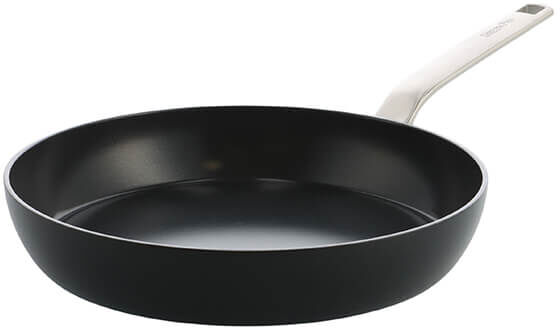
GreenPan Evolution 24cm Frypan BlueThe Greenpan Evolution 24cm Blue Frypan offers a fantastic cooking experience with its innovative features and sustainable design. This pan is easy to recycle and perfect for eco-conscious cooks. Designed for cooking, the removable stainless steel handle allows for convenient storage and cleaning. The PFAS-free Thermolon non-stick coating ensures food releases easily, while the generous cooking surface provides ample space for your culinary creations. Material: 100% recycled aluminium. Dishwasher safe for easy and convenient cleaning. 10-year guarantee.62,10 £*Shipping: 0,00 £Secure redirect to the provider
-
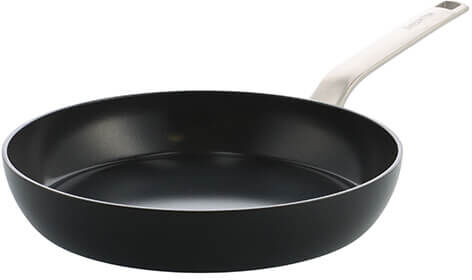
GreenPan Evolution 24cm Frypan BlackThe Greenpan Evolution 24cm Black Frypan offers a fantastic cooking experience with its innovative features and sustainable design. This pan is easy to recycle and perfect for eco-conscious cooks. Designed for cooking, the removable stainless steel handle allows for convenient storage and cleaning. The PFAS-free Thermolon non-stick coating ensures food releases easily, while the generous cooking surface provides ample space for your culinary creations. Material: 100% recycled aluminium. Dishwasher safe for easy and convenient cleaning. 10-year guarantee.62,10 £*Shipping: 0,00 £Secure redirect to the provider



-
What triggers evolution?
Evolution is triggered by a combination of factors, including genetic mutations, natural selection, genetic drift, and gene flow. Genetic mutations create new variations in a population, which can then be acted upon by natural selection, where individuals with advantageous traits are more likely to survive and reproduce. Genetic drift and gene flow also play a role in shaping the genetic makeup of a population over time. These factors collectively drive the process of evolution by leading to changes in the frequency of genetic traits within a population. **
-
What about evolution?
Evolution is the process by which species of organisms change over time through the process of natural selection, genetic drift, and other mechanisms. It is a fundamental concept in biology and has been supported by a large body of evidence from fields such as genetics, paleontology, and comparative anatomy. Evolution explains the diversity of life on Earth and how species have adapted to their environments over millions of years. It is a well-established scientific theory that has withstood rigorous testing and continues to be a central principle in the study of biology. **
-
Can evolution stop?
Evolution is a continuous process driven by genetic variation, natural selection, and environmental changes. While it is theoretically possible for evolution to slow down or even temporarily stop in a stable environment with little genetic variation, it is unlikely to completely halt. As long as there are factors such as mutations, genetic recombination, and environmental pressures, evolution will continue to shape and change species over time. Therefore, while it may slow down under certain conditions, it is unlikely for evolution to completely stop. **
-
Is evolution stingy?
Evolution is not inherently stingy, but rather it is driven by the process of natural selection, which favors traits that increase an organism's chances of survival and reproduction. This can sometimes result in the appearance of stinginess, as resources are allocated to the most advantageous traits. However, evolution also promotes cooperation and mutualism in many species, leading to the development of symbiotic relationships and social behaviors that benefit the group as a whole. Overall, evolution is a complex process that can result in both competitive and cooperative behaviors, depending on the specific ecological and environmental pressures at play. **
Will evolution change?
Evolution is a continuous process driven by genetic variation, natural selection, and environmental changes. As long as these factors continue to operate, evolution will continue to occur. However, the specific direction and pace of evolution may change in response to new environmental pressures, genetic mutations, and other factors. Therefore, while the fundamental process of evolution is unlikely to change, the specific outcomes and patterns of evolution may vary over time. **
What is the difference between synthetic evolution and natural evolution?
Synthetic evolution involves the intentional manipulation of genetic material by humans in a controlled environment, such as in a laboratory setting, to produce desired traits or outcomes. In contrast, natural evolution occurs in nature through the process of natural selection, where organisms with advantageous traits are more likely to survive and reproduce, leading to changes in the genetic makeup of a population over time. While synthetic evolution is directed and guided by human intervention, natural evolution is driven by environmental pressures and random genetic mutations. **
Top-Angebote
Products related to Evolution:
-
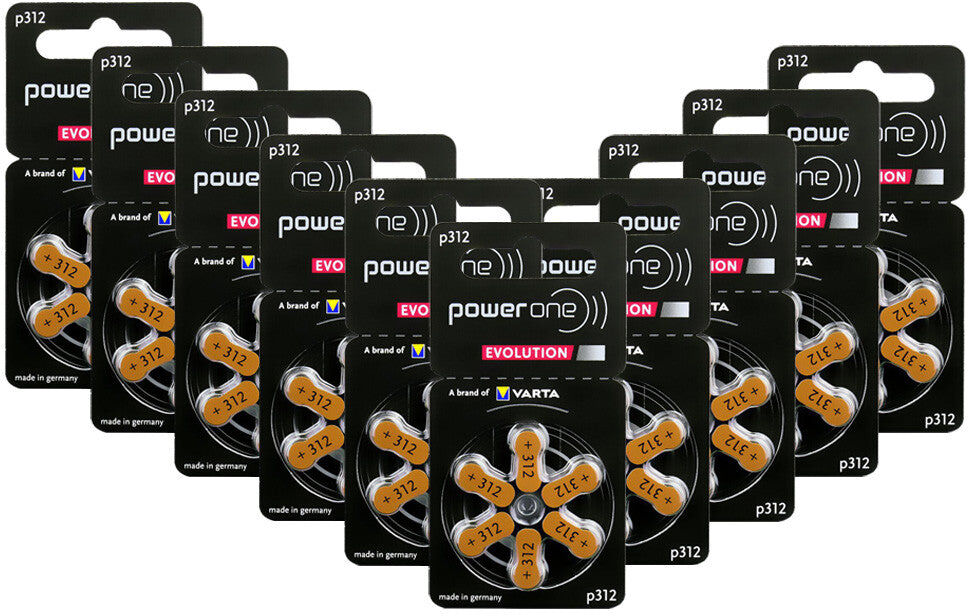
Power One PowerOne Evolution Size 312 Brown Hearing Aid Batteries 60 PackPower One p312 Hearing Aid Batteries (Size 312 Brown) provide reliable, consistent power for hearing aids that use Size 312 cells. Manufactured in Germany using zinc-air technology, they deliver stable output designed for modern digital hearing devices. Powerone is a VARTA-owned brand manufactured to strict quality standards. This bulk pack contains 60 batteries supplied in dial packs, offering a cost-effective supply for regular hearing aid users. Key Features Size 312 (Brown): Industry-standard Size 312 hearing aid battery. Zinc-Air Chemistry: Efficient power delivery and stable output. German Manufacturing: Produced to high quality standards. Sealed Packaging: Helps preserve freshness prior to activation. Pack Size: 60 batteries supplied in dial packs.13,95 £*Shipping: 2,49 £Secure redirect to the provider
-
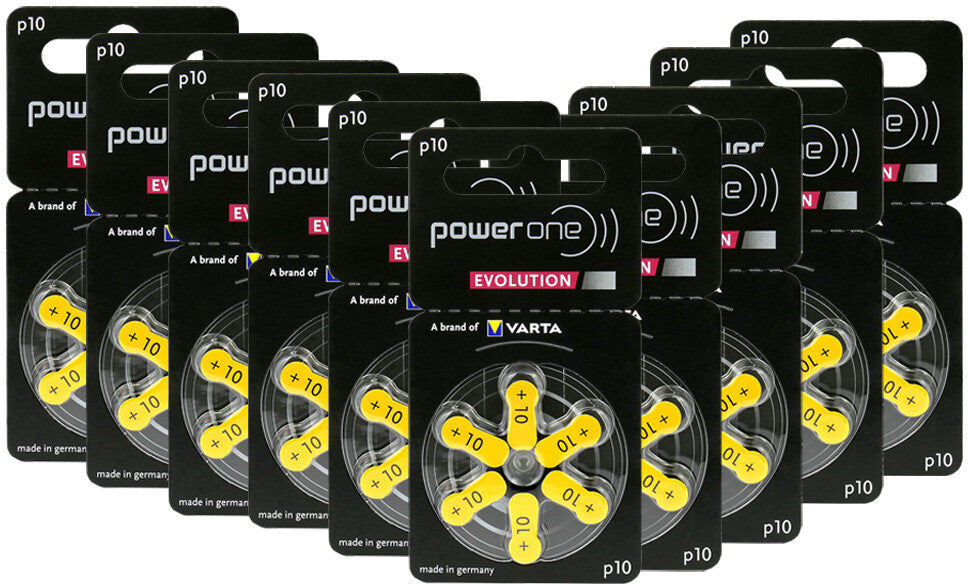
Power One PowerOne Evolution Size 10 Yellow Hearing Aid Batteries 60 PackPower One p10 Hearing Aid Batteries (Size 10 Yellow) provide consistent, reliable energy for hearing aids that require Size 10 cells. Manufactured in Germany using zinc-air technology, they deliver stable performance suitable for modern digital hearing devices. Powerone is a VARTA-owned brand, manufactured to strict quality standards. This bulk pack includes 60 batteries supplied in dial packs, offering a practical long-term supply for regular hearing aid users. Key Features Size 10 (Yellow): Industry-standard Size 10 hearing aid battery. Zinc-Air Chemistry: Efficient power delivery and stable output. German Manufacturing: Produced to high quality standards. Sealed Packaging: Helps preserve freshness prior to activation. Pack Size: 60 batteries supplied in dial packs.13,95 £*Shipping: 2,49 £Secure redirect to the provider
-
Wilson Evolution BasketballThe Wilson Evolution Basketball is a regular on indoor courts for a reason. The soft composite cover feels good in hand and gives you a steady grip during play. Deep channels help with control, and the cushion core adds a softer touch when passing, catching and finishing.It’s designed for indoor...69,95 £*Shipping: 4,95 £Secure redirect to the provider
-
What is cosmic evolution, chemical evolution, biological evolution, and cultural evolution?
Cosmic evolution refers to the development and changes in the universe over time, including the formation of galaxies, stars, and planets. Chemical evolution is the process by which elements and compounds have changed and evolved over time, leading to the formation of complex molecules and the conditions necessary for life. Biological evolution is the process by which living organisms have changed and diversified over time through genetic variation, natural selection, and other mechanisms. Cultural evolution refers to the development and changes in human societies, including the growth of technology, language, art, and social structures. **
-
Why do homology and analogy support evolution?
Homology and analogy support evolution because they provide evidence for common ancestry and adaptation. Homologous structures, such as the similar bone structure in the limbs of vertebrates, suggest that these organisms share a common ancestor and have evolved from a common source. Analogous structures, on the other hand, such as the wings of birds and insects, suggest that these organisms have independently evolved similar traits to adapt to similar environmental pressures. Both homology and analogy provide evidence for the process of evolution through natural selection, as they demonstrate how organisms have adapted to their environments over time. **
-
What triggers evolution?
Evolution is triggered by a combination of factors, including genetic mutations, natural selection, genetic drift, and gene flow. Genetic mutations create new variations in a population, which can then be acted upon by natural selection, where individuals with advantageous traits are more likely to survive and reproduce. Genetic drift and gene flow also play a role in shaping the genetic makeup of a population over time. These factors collectively drive the process of evolution by leading to changes in the frequency of genetic traits within a population. **
-
What about evolution?
Evolution is the process by which species of organisms change over time through the process of natural selection, genetic drift, and other mechanisms. It is a fundamental concept in biology and has been supported by a large body of evidence from fields such as genetics, paleontology, and comparative anatomy. Evolution explains the diversity of life on Earth and how species have adapted to their environments over millions of years. It is a well-established scientific theory that has withstood rigorous testing and continues to be a central principle in the study of biology. **
Similar search terms for Evolution
-
GreenPan Evolution 24cm Frypan BlueThe Greenpan Evolution 24cm Blue Frypan offers a fantastic cooking experience with its innovative features and sustainable design. This pan is easy to recycle and perfect for eco-conscious cooks. Designed for cooking, the removable stainless steel handle allows for convenient storage and cleaning. The PFAS-free Thermolon non-stick coating ensures food releases easily, while the generous cooking surface provides ample space for your culinary creations. Material: 100% recycled aluminium. Dishwasher safe for easy and convenient cleaning. 10-year guarantee.62,10 £*Shipping: 0,00 £Secure redirect to the provider
-
GreenPan Evolution 24cm Frypan BlackThe Greenpan Evolution 24cm Black Frypan offers a fantastic cooking experience with its innovative features and sustainable design. This pan is easy to recycle and perfect for eco-conscious cooks. Designed for cooking, the removable stainless steel handle allows for convenient storage and cleaning. The PFAS-free Thermolon non-stick coating ensures food releases easily, while the generous cooking surface provides ample space for your culinary creations. Material: 100% recycled aluminium. Dishwasher safe for easy and convenient cleaning. 10-year guarantee.62,10 £*Shipping: 0,00 £Secure redirect to the provider
-
GreenPan Evolution 28cm Frypan BlackThe Greenpan Evolution 28cm Black Frypan offers a fantastic cooking experience with its innovative features and sustainable design. This pan is easy to recycle and perfect for eco-conscious cooks. Designed for cooking, the removable stainless steel handle allows for convenient storage and cleaning. The PFAS-free Thermolon non-stick coating ensures food releases easily, while the generous cooking surface provides ample space for your culinary creations. Material: 100% recycled aluminium. Dishwasher safe for easy and convenient cleaning. 10-year guarantee.71,10 £*Shipping: 0,00 £Secure redirect to the provider
-
GreenPan Evolution 30cm Frypan BlackThe Greenpan Evolution 30cm Black Frypan offers a fantastic cooking experience with its innovative features and sustainable design. This pan is easy to recycle and perfect for eco-conscious cooks. Designed for cooking, the removable stainless steel handle allows for convenient storage and cleaning. The PFAS-free Thermolon non-stick coating ensures food releases easily, while the generous cooking surface provides ample space for your culinary creations. Material: 100% recycled aluminium. Dishwasher safe for easy and convenient cleaning. 10-year guarantee.80,10 £*Shipping: 0,00 £Secure redirect to the provider
-
Can evolution stop?
Evolution is a continuous process driven by genetic variation, natural selection, and environmental changes. While it is theoretically possible for evolution to slow down or even temporarily stop in a stable environment with little genetic variation, it is unlikely to completely halt. As long as there are factors such as mutations, genetic recombination, and environmental pressures, evolution will continue to shape and change species over time. Therefore, while it may slow down under certain conditions, it is unlikely for evolution to completely stop. **
-
Is evolution stingy?
Evolution is not inherently stingy, but rather it is driven by the process of natural selection, which favors traits that increase an organism's chances of survival and reproduction. This can sometimes result in the appearance of stinginess, as resources are allocated to the most advantageous traits. However, evolution also promotes cooperation and mutualism in many species, leading to the development of symbiotic relationships and social behaviors that benefit the group as a whole. Overall, evolution is a complex process that can result in both competitive and cooperative behaviors, depending on the specific ecological and environmental pressures at play. **
-
Will evolution change?
Evolution is a continuous process driven by genetic variation, natural selection, and environmental changes. As long as these factors continue to operate, evolution will continue to occur. However, the specific direction and pace of evolution may change in response to new environmental pressures, genetic mutations, and other factors. Therefore, while the fundamental process of evolution is unlikely to change, the specific outcomes and patterns of evolution may vary over time. **
-
What is the difference between synthetic evolution and natural evolution?
Synthetic evolution involves the intentional manipulation of genetic material by humans in a controlled environment, such as in a laboratory setting, to produce desired traits or outcomes. In contrast, natural evolution occurs in nature through the process of natural selection, where organisms with advantageous traits are more likely to survive and reproduce, leading to changes in the genetic makeup of a population over time. While synthetic evolution is directed and guided by human intervention, natural evolution is driven by environmental pressures and random genetic mutations. **
* All prices are inclusive of VAT and, if applicable, plus shipping costs. The offer information is based on the details provided by the respective shop and is updated through automated processes. Real-time updates do not occur, so deviations can occur in individual cases. ** Note: Parts of this content were created by AI.