Buy mircare.eu ?
We are moving the project
mircare.eu .
Are you interested in purchasing the domain
mircare.eu ?
domain@kv-gmbh.de · 0541-91531010
Buy mircare.eu ?
What are relative clauses and conjunctional clauses?
Relative clauses are clauses that provide additional information about a noun in the main clause. They are introduced by relative pronouns such as "who," "which," "that," and "whom." For example, in the sentence "The book that I read is very interesting," the relative clause "that I read" provides more information about the noun "book." Conjunctional clauses, on the other hand, are clauses that are connected to the main clause by conjunctions such as "and," "but," "or," "if," and "because." They can express relationships such as addition, contrast, alternative, condition, and cause. For example, in the sentence "I will go to the park if the weather is nice," the conjunctional clause "if the weather is nice" expresses a condition for the action in the main clause. **
What are conjunctional clauses, relative clauses, demonstrative clauses, and infinitive clauses?
Conjunctional clauses are dependent clauses that are introduced by a conjunction, such as "because," "although," or "while." They provide additional information about the main clause in a sentence. Relative clauses are also dependent clauses that provide more information about a noun in the main clause. They are introduced by relative pronouns like "who," "which," or "that." Demonstrative clauses are dependent clauses that function as adjectives and provide more information about a noun in the main clause. They are introduced by demonstrative pronouns like "this," "that," "these," or "those." Infinitive clauses are dependent clauses that are formed with an infinitive verb (to + base form of the verb). They can function as nouns, adjectives, or adverbs in a sentence. **


Similar search terms for Conjunctional
Top-Angebote
Products related to Conjunctional:
-
Uplifted Finds Butterfly Shape Memory Foam Pillow With Neck Support Orthopedic Cervical Health Care Cushion Butterfly Shape Memory Foam Pillow With Neck Support Orthopedic Cervical Health Care CushionTransform your sleep quality with this butterfly shape memory foam pillow. Designed with a slow rebound foam core, it conforms to the natural curves of your head, neck, and shoulders to relieve pressure and maintain proper spinal alignment. The...240,97 $*Shipping: 0,00 $Secure redirect to the provider
-
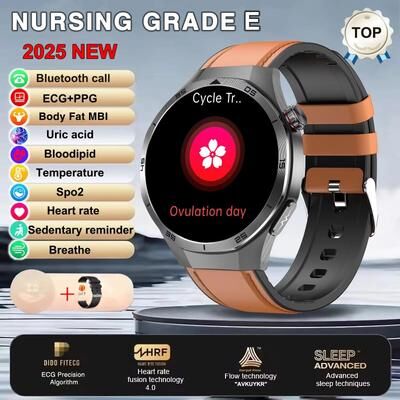
Inspire Select 2025 ECG Health Smart Watch AMOLED Bluetooth Call Fitness Tracker With NFC & Wellness Monitoring blue iatrology Care GradeStay connected while tracking your daily wellness with this advanced ECG smart watch designed for fitness, lifestyle monitoring, and smart convenience. Featuring a stunning AMOLED smartwatch display, Bluetooth calling, NFC support, and intelligent...192,97 $*Shipping: 0,00 $Secure redirect to the provider
-
Inspire Select Dog Lift Support Harness Adjustable Rear Leg Support Sling For Mobility Assistance blue xlHelp your furry companion move with greater comfort and confidence using this supportive dog lift harness. Designed to provide reliable assistance for pets with mobility challenges, this dog support sling helps reduce strain while walking, climbing...90,98 $*Shipping: 0,00 $Secure redirect to the provider
-
Inspire Select 2025 ECG Health Smart Watch AMOLED Bluetooth Call Fitness Tracker With NFC & Wellness Monitoring red iatrology Care GradeStay connected while tracking your daily wellness with this advanced ECG smart watch designed for fitness, lifestyle monitoring, and smart convenience. Featuring a stunning AMOLED smartwatch display, Bluetooth calling, NFC support, and intelligent...192,97 $*Shipping: 0,00 $Secure redirect to the provider



-
What is the difference between a relative clause and a conjunctional clause?
A relative clause is a type of subordinate clause that provides additional information about a noun in the main clause. It typically begins with a relative pronoun such as "who," "which," or "that." A conjunctional clause, on the other hand, is a type of subordinate clause that functions as an adverb, connecting two independent clauses. It typically begins with a subordinating conjunction such as "because," "although," or "while." In summary, the main difference between the two is that a relative clause provides additional information about a noun, while a conjunctional clause connects two independent clauses. **
-
What is the difference between a conjunctional clause and an adverbial clause?
A conjunctional clause is a type of dependent clause that begins with a subordinating conjunction, such as "because," "although," or "while." It functions to connect the dependent clause to the independent clause and provide additional information about the main clause. An adverbial clause, on the other hand, is a type of dependent clause that functions as an adverb in the sentence, providing information about the time, place, manner, or condition of the action in the main clause. While both types of clauses are dependent and provide additional information, the key difference is that a conjunctional clause connects the dependent clause to the main clause, while an adverbial clause functions as an adverb in the sentence. **
-
How do I recognize a relative clause, a conjunctional clause, and an interrogative clause?
A relative clause typically starts with a relative pronoun (such as who, whom, whose, which, or that) and provides more information about a noun in the main clause. A conjunctional clause, on the other hand, is introduced by a conjunction (such as and, but, or because) and connects two independent clauses. An interrogative clause is a type of clause that asks a question and is typically introduced by an interrogative pronoun (such as who, what, when, where, why, or how) or an interrogative adverb (such as how, when, or where). **
-
How can I recognize a relative clause, a conjunctional clause, and an interrogative clause?
A relative clause is a type of dependent clause that typically starts with a relative pronoun (such as who, whom, whose, which, or that) and provides additional information about a noun in the main clause. A conjunctional clause, on the other hand, is a dependent clause that functions as an adverb, adjective, or noun in a sentence and is connected to the main clause by a conjunction (such as because, although, if, when, etc.). An interrogative clause is a type of clause that asks a question and typically begins with a question word (such as who, what, where, when, why, or how) or with a helping verb followed by the subject. **

What would you do during first aid for breathing assistance?
During first aid for breathing assistance, I would first ensure the person is in a safe environment and then check for any obstructions in their airway. If the person is conscious but having difficulty breathing, I would encourage them to sit upright and help them take slow, deep breaths. If the person is unconscious and not breathing, I would perform CPR, starting with chest compressions and rescue breaths. I would continue to monitor their breathing and provide assistance until medical help arrives. **
What is the difference between assistance and care?
Assistance typically refers to providing help or support with tasks or activities that an individual may have difficulty doing on their own, such as getting dressed, preparing meals, or running errands. Care, on the other hand, involves a deeper level of support and involves looking after someone's physical, emotional, and mental well-being. Care often includes providing assistance with daily tasks, but also involves providing companionship, emotional support, and ensuring the overall health and safety of the individual. In summary, assistance is more task-oriented, while care encompasses a broader range of support and involves a deeper level of involvement in the individual's overall well-being. **
Top-Angebote
Products related to Conjunctional:
-
Drop Dash Deals Multi Level Back Stretcher Lumbar Support Device Pain Relief & Posture Aid For Spine Health Multi Level Back Stretcher Lumbar Support Device Pain Relief & Posture Aid For Spine HealthExperience instant relief with our 1pc MultiLevel Back Stretcher designed for back pain relief and spine decompression. Ideal for those suffering from low back pain, poor posture, or spinal misalignment, this device provides targeted support and...49,97 $*Shipping: 0,00 $Secure redirect to the provider
-
Happy Pet Pantry Probiotic Gut Health Soft Granules For Dogs Digestive Support & Nutrient Absorption Care Probiotic Gut Health Soft Granules For Dogs Digestive Support & Nutrient Absorption CareA happy tummy means a happier, more energetic dog. These dog probiotics soft granules are specially formulated to support digestive wellness, improve nutrient uptake, and help maintain a healthy balance of gut bacteria. Ideal for dogs of all breeds...41,97 $*Shipping: 0,00 $Secure redirect to the provider
-
Uplifted Finds Butterfly Shape Memory Foam Pillow With Neck Support Orthopedic Cervical Health Care Cushion Butterfly Shape Memory Foam Pillow With Neck Support Orthopedic Cervical Health Care CushionTransform your sleep quality with this butterfly shape memory foam pillow. Designed with a slow rebound foam core, it conforms to the natural curves of your head, neck, and shoulders to relieve pressure and maintain proper spinal alignment. The...240,97 $*Shipping: 0,00 $Secure redirect to the provider
-
Inspire Select 2025 ECG Health Smart Watch AMOLED Bluetooth Call Fitness Tracker With NFC & Wellness Monitoring blue iatrology Care GradeStay connected while tracking your daily wellness with this advanced ECG smart watch designed for fitness, lifestyle monitoring, and smart convenience. Featuring a stunning AMOLED smartwatch display, Bluetooth calling, NFC support, and intelligent...192,97 $*Shipping: 0,00 $Secure redirect to the provider
-
What are relative clauses and conjunctional clauses?
Relative clauses are clauses that provide additional information about a noun in the main clause. They are introduced by relative pronouns such as "who," "which," "that," and "whom." For example, in the sentence "The book that I read is very interesting," the relative clause "that I read" provides more information about the noun "book." Conjunctional clauses, on the other hand, are clauses that are connected to the main clause by conjunctions such as "and," "but," "or," "if," and "because." They can express relationships such as addition, contrast, alternative, condition, and cause. For example, in the sentence "I will go to the park if the weather is nice," the conjunctional clause "if the weather is nice" expresses a condition for the action in the main clause. **
-
What are conjunctional clauses, relative clauses, demonstrative clauses, and infinitive clauses?
Conjunctional clauses are dependent clauses that are introduced by a conjunction, such as "because," "although," or "while." They provide additional information about the main clause in a sentence. Relative clauses are also dependent clauses that provide more information about a noun in the main clause. They are introduced by relative pronouns like "who," "which," or "that." Demonstrative clauses are dependent clauses that function as adjectives and provide more information about a noun in the main clause. They are introduced by demonstrative pronouns like "this," "that," "these," or "those." Infinitive clauses are dependent clauses that are formed with an infinitive verb (to + base form of the verb). They can function as nouns, adjectives, or adverbs in a sentence. **
-
What is the difference between a relative clause and a conjunctional clause?
A relative clause is a type of subordinate clause that provides additional information about a noun in the main clause. It typically begins with a relative pronoun such as "who," "which," or "that." A conjunctional clause, on the other hand, is a type of subordinate clause that functions as an adverb, connecting two independent clauses. It typically begins with a subordinating conjunction such as "because," "although," or "while." In summary, the main difference between the two is that a relative clause provides additional information about a noun, while a conjunctional clause connects two independent clauses. **
-
What is the difference between a conjunctional clause and an adverbial clause?
A conjunctional clause is a type of dependent clause that begins with a subordinating conjunction, such as "because," "although," or "while." It functions to connect the dependent clause to the independent clause and provide additional information about the main clause. An adverbial clause, on the other hand, is a type of dependent clause that functions as an adverb in the sentence, providing information about the time, place, manner, or condition of the action in the main clause. While both types of clauses are dependent and provide additional information, the key difference is that a conjunctional clause connects the dependent clause to the main clause, while an adverbial clause functions as an adverb in the sentence. **
Similar search terms for Conjunctional
-
Inspire Select Dog Lift Support Harness Adjustable Rear Leg Support Sling For Mobility Assistance blue xlHelp your furry companion move with greater comfort and confidence using this supportive dog lift harness. Designed to provide reliable assistance for pets with mobility challenges, this dog support sling helps reduce strain while walking, climbing...90,98 $*Shipping: 0,00 $Secure redirect to the provider
-
Inspire Select 2025 ECG Health Smart Watch AMOLED Bluetooth Call Fitness Tracker With NFC & Wellness Monitoring red iatrology Care GradeStay connected while tracking your daily wellness with this advanced ECG smart watch designed for fitness, lifestyle monitoring, and smart convenience. Featuring a stunning AMOLED smartwatch display, Bluetooth calling, NFC support, and intelligent...192,97 $*Shipping: 0,00 $Secure redirect to the provider
-
Inspire Select 2025 ECG Health Smart Watch AMOLED Bluetooth Call Fitness Tracker With NFC & Wellness Monitoring black Leather iatrology Care GradeStay connected while tracking your daily wellness with this advanced ECG smart watch designed for fitness, lifestyle monitoring, and smart convenience. Featuring a stunning AMOLED smartwatch display, Bluetooth calling, NFC support, and intelligent...192,97 $*Shipping: 0,00 $Secure redirect to the provider
-
Inspire Select 2025 ECG Health Smart Watch AMOLED Bluetooth Call Fitness Tracker With NFC & Wellness Monitoring brown Leather iatrology Care GradeStay connected while tracking your daily wellness with this advanced ECG smart watch designed for fitness, lifestyle monitoring, and smart convenience. Featuring a stunning AMOLED smartwatch display, Bluetooth calling, NFC support, and intelligent...201,98 $*Shipping: 0,00 $Secure redirect to the provider
-
How do I recognize a relative clause, a conjunctional clause, and an interrogative clause?
A relative clause typically starts with a relative pronoun (such as who, whom, whose, which, or that) and provides more information about a noun in the main clause. A conjunctional clause, on the other hand, is introduced by a conjunction (such as and, but, or because) and connects two independent clauses. An interrogative clause is a type of clause that asks a question and is typically introduced by an interrogative pronoun (such as who, what, when, where, why, or how) or an interrogative adverb (such as how, when, or where). **
-
How can I recognize a relative clause, a conjunctional clause, and an interrogative clause?
A relative clause is a type of dependent clause that typically starts with a relative pronoun (such as who, whom, whose, which, or that) and provides additional information about a noun in the main clause. A conjunctional clause, on the other hand, is a dependent clause that functions as an adverb, adjective, or noun in a sentence and is connected to the main clause by a conjunction (such as because, although, if, when, etc.). An interrogative clause is a type of clause that asks a question and typically begins with a question word (such as who, what, where, when, why, or how) or with a helping verb followed by the subject. **
-
What would you do during first aid for breathing assistance?
During first aid for breathing assistance, I would first ensure the person is in a safe environment and then check for any obstructions in their airway. If the person is conscious but having difficulty breathing, I would encourage them to sit upright and help them take slow, deep breaths. If the person is unconscious and not breathing, I would perform CPR, starting with chest compressions and rescue breaths. I would continue to monitor their breathing and provide assistance until medical help arrives. **
-
What is the difference between assistance and care?
Assistance typically refers to providing help or support with tasks or activities that an individual may have difficulty doing on their own, such as getting dressed, preparing meals, or running errands. Care, on the other hand, involves a deeper level of support and involves looking after someone's physical, emotional, and mental well-being. Care often includes providing assistance with daily tasks, but also involves providing companionship, emotional support, and ensuring the overall health and safety of the individual. In summary, assistance is more task-oriented, while care encompasses a broader range of support and involves a deeper level of involvement in the individual's overall well-being. **
* All prices are inclusive of VAT and, if applicable, plus shipping costs. The offer information is based on the details provided by the respective shop and is updated through automated processes. Real-time updates do not occur, so deviations can occur in individual cases. ** Note: Parts of this content were created by AI.